
Article
Build, preserve, manage, acquire: Finding the right model for the mature portfolio
-
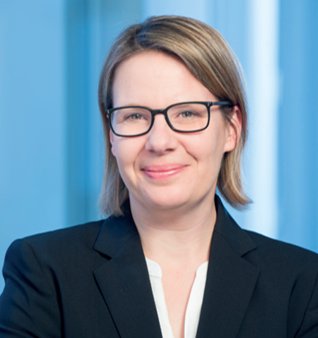
Constanze Burkhardt
-
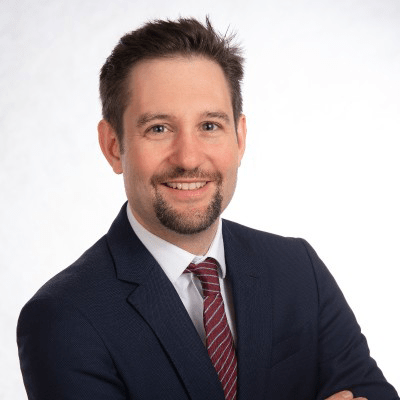
Stephan Hutter
Biopharmaceutical leaders are under pressure to address multiple market uncertainties – heightened competition, regulatory complexities, pricing and reimbursement constraints, and policy reforms – through cost-containment, efficiency, and return on investment.

To achieve these goals, they must continue to grow their portfolios while assessing how best to manage mature products in order to realize their revenue potential without an ongoing heavy investment in resources. They must determine whether to release or sell a portfolio, retain it, or reignite the portfolio, for example by expanding market reach.
This calls for a strategic and deliberate approach to the mature product portfolio that weighs complexity, financial drivers, and risk appetite to evaluate the best model for the organization. It also requires biopharmaceutical leaders to assess the outsourcing model that best aligns with the approach chosen.
This calls for a strategic and deliberate approach to the mature product portfolio that weighs complexity, financial drivers, and risk appetite to evaluate the best model for the organization. It also requires biopharmaceutical leaders to assess the outsourcing model that best aligns with the approach chosen.
Selecting the right model for the organization
Increasingly, biopharma companies recognize that managing the mature portfolio with internal resources is cost- and resource-intensive, and are choosing to work with outsourcing partners to handle essential compliance activities. This allows the company to continue to earn revenue from the portfolio and retain its strategic value while focusing internal resources on innovation and product growth.
The outsourcing strategy that the company chooses, however, will vary depending on objectives, pipeline, current portfolio make-up, financial position, and appetite for risk. For some, the focus is on advancing innovation while protecting the pipeline; for others the priority is to protect profit margins; while others are focused on reshaping through mergers and acquisitions (M&As), divestitures or out-licensing. And for some organizations, there can be a mix of priorities and outsourcing archetypes.
This article charts the different drivers and approaches companies take to managing the mature portfolio based on their overall strategy. It looks at the four archetypes – builder, optimizer, orchestrator, and opportunist – to chart the outsourcing strategy that best reflects each organization’s goals and objectives.
Portfolio Outsourcing Strategy Map
↑
Strategic intent
Opportunist
Build-operate-transfer, TSA's, rapid infrastructure stand-up |
Orchestrator
|
Builder
Targeted operational relief for regulatory, PV, and logistics |
Optimizer
Efficiency-first partnerships with performance guarantees |
Risk tolerance
→
The builder: Growth through innovation
Where companies are focused on building their portfolio through the development of innovative products, the decisions made about the mature products they do have in their portfolio rest on whether those products support the broader “build” focus.
These innovation-focused companies typically have limited internal resources to manage mature products and must carefully weigh decisions concerning these products. Although mature products represent a smaller percent of revenue for these innovator companies, safeguarding the reputation of these products is important. Outsourcing the maintenance of mature products, therefore, allows internal teams to focus on new products while meeting all the regulatory compliance, pharmacovigilance, and life cycle management requirements for mature brands. Outsourcing partners become important resources thanks to their knowledge and best practices with product maintenance in multiple markets.
These innovation-focused companies typically have limited internal resources to manage mature products and must carefully weigh decisions concerning these products. Although mature products represent a smaller percent of revenue for these innovator companies, safeguarding the reputation of these products is important. Outsourcing the maintenance of mature products, therefore, allows internal teams to focus on new products while meeting all the regulatory compliance, pharmacovigilance, and life cycle management requirements for mature brands. Outsourcing partners become important resources thanks to their knowledge and best practices with product maintenance in multiple markets.
Optimizer: Preserving the profit margin
For companies that are focused on gaining greater efficiency while protecting the profit margin of their portfolio, mature products are integral to the bottom line but can also be costly to maintain. Finding ways to streamline essential maintenance activities is a priority and the outsourcing relationship is key to achieving that.
A common approach for these companies is to outsource routine processes, ideally through a single partner to achieve economies of scale. Partnering with an experienced outsourcing vendor that can manage all necessary maintenance activities across all markets in which the company has products enables the company to cut labor and other overhead costs. Key objectives for these companies are improved margins through reduced costs, greater efficiency, and confidence that compliance needs will be met.
A common approach for these companies is to outsource routine processes, ideally through a single partner to achieve economies of scale. Partnering with an experienced outsourcing vendor that can manage all necessary maintenance activities across all markets in which the company has products enables the company to cut labor and other overhead costs. Key objectives for these companies are improved margins through reduced costs, greater efficiency, and confidence that compliance needs will be met.
Orchestrator: Managing a large-scale portfolio
Large biopharma companies that have a deep and broad product portfolio in global markets must navigate a complex network of affiliates, manufacturing sites, and distribution channels. Having full-time staff in all these markets to manage hundreds of mature products is cost-intensive, but, at the same time, these products continue to bring in revenue.
By working with an outsourcing partner to harmonize maintenance activities across multiple regions and manage vendor interactions for the mature portfolio, these companies can not only cut costs but also achieve greater efficiency and consistency. An approach that often works for these companies is to have most maintenance activities carried out through a centralized hub, while tapping into local affiliate support where needed.
A trusted outsourcing relationship can also potentially give these companies access to innovative methodologies and technologies, where feasible. For example, the partner may leverage an automation tool to support some pharmacovigilance activities, such as signal detection and literature reviews, leading to greater efficiencies.
By working with an outsourcing partner to harmonize maintenance activities across multiple regions and manage vendor interactions for the mature portfolio, these companies can not only cut costs but also achieve greater efficiency and consistency. An approach that often works for these companies is to have most maintenance activities carried out through a centralized hub, while tapping into local affiliate support where needed.
A trusted outsourcing relationship can also potentially give these companies access to innovative methodologies and technologies, where feasible. For example, the partner may leverage an automation tool to support some pharmacovigilance activities, such as signal detection and literature reviews, leading to greater efficiencies.
Opportunist: Striking strategic investment deals
Another company type is the dealmaker, which typically builds its portfolio and revenue through acquisitions, licensing agreements, and carve-outs, and strategically timed asset sales.
These companies, often specialty pharma companies and private-equity-backed firms, buy mature portfolios and seek ways to create revenue through lean and flexible product management. In these cases, outsourcing partners are integral to the business model, allowing the company to focus on the business and working with a partner to manage the essential maintenance and commercialization activities.
Often these companies rely on transitional service agreements (TSAs) and contract support, for example, having the seller continue manufacturing supply or handling regulatory filings for a defined period as the buyer prepares its outsourcing strategy. For these businesses, an outsourcing partner can be a core part of the overall team without the need for establishing a large organization.
These companies, often specialty pharma companies and private-equity-backed firms, buy mature portfolios and seek ways to create revenue through lean and flexible product management. In these cases, outsourcing partners are integral to the business model, allowing the company to focus on the business and working with a partner to manage the essential maintenance and commercialization activities.
Often these companies rely on transitional service agreements (TSAs) and contract support, for example, having the seller continue manufacturing supply or handling regulatory filings for a defined period as the buyer prepares its outsourcing strategy. For these businesses, an outsourcing partner can be a core part of the overall team without the need for establishing a large organization.
Conclusion: Managing a deliberate strategy
For each organizational priority and setup, the outsourcing needs and relationship will differ. Companies must ensure the outsourcing model they establish fits their core objectives – whether that is to have their internal team focus on innovation, improve cost and efficiency, build and maintain the global reach of the portfolio, or make strategic investment decisions. Good governance models can help to support compliance and well-defined models can protect companies against the risk of knowledge loss.
As regulatory, competitive, and geopolitical pressures continue to mount, adopting a deliberate approach to the outsourcing model will allow companies to maintain their value, build their organization according to their objectives, and preserve the value and integrity of the mature portfolio.
As regulatory, competitive, and geopolitical pressures continue to mount, adopting a deliberate approach to the outsourcing model will allow companies to maintain their value, build their organization according to their objectives, and preserve the value and integrity of the mature portfolio.
About the authors
Constanze Burkhardt is a VP heading Client Engagement at Cencora. With over 20 years of experience in the pharmaceutical and biotech industry she is responsible for global program strategies and known for building strategic client relationships with a successful track record of delivering lean, agile programs and optimizing operational delivery with focus on team/people development. Constanze has proven leadership by building strong team environments with high commitment to the drug development and LCM process.
Stephan Hütter is Director, Global Program Management at Cencora. With over 14 years of experience in regulatory affairs and program management within the pharmaceutical industry, he is a seasoned leader specializing in outsourcing solutions. Stephan oversees the design and delivery of large-scale outsourcing programs spanning regulatory affairs, pharmacovigilance, and quality management. His career includes progressive leadership roles at PharmaLex and Baxter International, with deep expertise in lifecycle management, CMC regulatory strategy, and LATAM regional operations.
Stephan Hütter is Director, Global Program Management at Cencora. With over 14 years of experience in regulatory affairs and program management within the pharmaceutical industry, he is a seasoned leader specializing in outsourcing solutions. Stephan oversees the design and delivery of large-scale outsourcing programs spanning regulatory affairs, pharmacovigilance, and quality management. His career includes progressive leadership roles at PharmaLex and Baxter International, with deep expertise in lifecycle management, CMC regulatory strategy, and LATAM regional operations.
Clause de non responsabilité :
Les informations fournies dans cet article ne constituent pas des conseils juridiques. Cencora, Inc. encourage vivement les lecteurs à consulter les informations disponibles relatives aux sujets abordés et à s’appuyer sur leur propre expérience et expertise pour prendre des décisions à ce sujet.
Entrez en contact avec notre équipe
Notre équipe d’experts en valeur de premier plan se consacre à la transformation des données probantes, des informations sur les politiques et des renseignements sur le marché en stratégies efficaces d’accès au marché mondial. Laissez-nous vous aider à naviguer en toute confiance dans les méandres complexes des soins de santé d’aujourd’hui. N’hésitez pas à nous contacter pour découvrir comment nous pouvons vous aider à atteindre vos objectifs.