
Artículo
AI in the spotlight: PV and Drug Safety Conference looks to the future
-
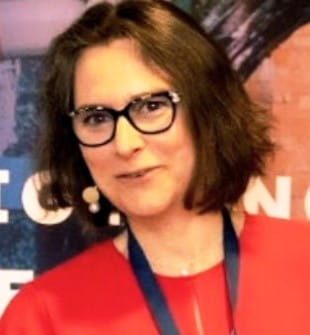
Sophie Besset-Dangla
The 5th Pharmacovigilance and Drug Safety Conference in Madrid, held on 28th and 29th April 2026, brought together PV experts from across the industry to consider future trends in patient safety. With breakout sessions restricted to between 30 and 40 attendees, presenters and participants alike were able to interact and share feedback more freely, leading to productive one-on-one discussions during the sessions and during the breaks.

Navigating the potential of AI
A key theme throughout the conference was the role of artificial intelligence (AI) and automation – the opportunities these technologies present, the challenges, and the excitement together with ongoing doubt about AI’s potential.
Discussion focused on using AI to do what humans cannot do – for example, rapidly uncover patterns in vast PV datasets – while emphasizing the importance of maintaining human oversight of processes.
One point that arose during general conversations at the conference was the potential of AI to improve predictability for complex PV roles and activities. Perhaps the most complex of these roles is that of the qualified person for pharmacovigilance (QPPV), who is legally responsible for ensuring the marketing authorization holder complies with EU pharmacovigilance requirements.
The QPPV must keep up with evolving and country-specific PV regulations and processes and ensure proper oversight of everything that occurs.
Several sessions focused on the challenges facing the QPPV, including discussions on how to juggle regulatory shifts, technology changes, and the integration of AI tools into PV systems. The discussions were an eye-opener for many attendees and underscore the importance of leveraging tools to assist QPPVs to achieve their key role, which is to ensure patient safety.
Discussion focused on using AI to do what humans cannot do – for example, rapidly uncover patterns in vast PV datasets – while emphasizing the importance of maintaining human oversight of processes.
One point that arose during general conversations at the conference was the potential of AI to improve predictability for complex PV roles and activities. Perhaps the most complex of these roles is that of the qualified person for pharmacovigilance (QPPV), who is legally responsible for ensuring the marketing authorization holder complies with EU pharmacovigilance requirements.
The QPPV must keep up with evolving and country-specific PV regulations and processes and ensure proper oversight of everything that occurs.
Several sessions focused on the challenges facing the QPPV, including discussions on how to juggle regulatory shifts, technology changes, and the integration of AI tools into PV systems. The discussions were an eye-opener for many attendees and underscore the importance of leveraging tools to assist QPPVs to achieve their key role, which is to ensure patient safety.
Bringing efficiency to the local PV role
During my presentation at the conference, entitled Decentralized Expertise, Centralized Efficiency – Harmonizing Local PV Services Across Global Markets Through Process Centralization and Automation – the discussion turned to the dynamic PV environment. PV leaders must handle multiple activities simultaneously, and without good tools to support oversight of those activities, they become labor-intensive and disjointed.
Having harmonized processes across all affiliates, and leveraging tools to support proper oversight, gives PV leaders insight into what is going on. This approach allows leaders to provide support to local teams faster, increase inspection-readiness, and helps to enable strategic leadership and direction.
As I sought to convey, it’s really about enabling team efficiency through better channels of communication that allows the strategy to be communicated across affiliates globally. Without that centralized approach, there is a tendency for each local team to act independently, leading to inefficient safety processes.
Having harmonized processes across all affiliates, and leveraging tools to support proper oversight, gives PV leaders insight into what is going on. This approach allows leaders to provide support to local teams faster, increase inspection-readiness, and helps to enable strategic leadership and direction.
As I sought to convey, it’s really about enabling team efficiency through better channels of communication that allows the strategy to be communicated across affiliates globally. Without that centralized approach, there is a tendency for each local team to act independently, leading to inefficient safety processes.
Conclusion:
A positive, future-looking conference
The overall feedback from the session I led, and from the conference in general, was positive, with participants eager to explore a more harmonized, holistic approach to PV, including with the use of AI and automation.
My own takeaway is that we as an industry, regulators, pharmaceutical companies, and vendors, need to work together to change the PV paradigm, including how we think about and use AI.
We are using AI today to automate, speed up, and be more efficient. But what does that mean for the initial aim of PV, which is ensuring patient safety? Perhaps we need to rethink how we use AI and how we rethink our processes to again put the patient at the center of the debate.
My own takeaway is that we as an industry, regulators, pharmaceutical companies, and vendors, need to work together to change the PV paradigm, including how we think about and use AI.
We are using AI today to automate, speed up, and be more efficient. But what does that mean for the initial aim of PV, which is ensuring patient safety? Perhaps we need to rethink how we use AI and how we rethink our processes to again put the patient at the center of the debate.
About the author:
Sophie Besset-Dangla is VP, Head of Global Pharmacovigilance at Cencora. She brings more than over two decades of experience in drug development with leading global organizations including Syneos Health and IQVIA. Known for her dependable leadership, quality-focused mindset, and people-centered approach, Sophie works closely with clients to lead technology-driven transformation, guiding them through digital innovation initiatives with a keen focus on improving patient and business outcomes.
Descargo de responsabilidad:
La información proporcionada en este artículo no constituye asesoramiento legal. Cencora, Inc. recomienda encarecidamente a los lectores que revisen la información disponible relacionada con los temas tratados y que confíen en su propia experiencia y conocimientos para tomar decisiones al respecto.
Conecte con nuestro equipo
Nuestro equipo de expertos líderes en valor se dedica a transformar las pruebas, los conocimientos sobre políticas y la inteligencia de mercado en estrategias efectivas de acceso al mercado global. Permítanos ayudarle a navegar con confianza por el complejo panorama de la atención sanitaria actual. Póngase en contacto con nosotros para descubrir cómo podemos ayudarle en sus objetivos.