Elevating community pharmacy practice in health systems
At a glance
Health system community pharmacies are evolving rapidly to meet rising patient expectations and adapt to a digital healthcare landscape.
- Integrated digital communication: Use omni-channel platforms—email, mobile apps, and web portals—to promote collaboration, engage patients, and manage medication efficiently.
- Personalized patient visits: Tailor pharmacy services to individual needs for improved outcomes and satisfaction.
- Centralized prescription services: Streamline dispensing and records to optimize operational efficiency and safety.
Need guidance refining your pharmacy strategy? Reach out for expert insight.

Community pharmacies within health systems must continue to evolve to meet changing patient expectations and needs throughout the healthcare landscape. Dispensing prescriptions, counseling patients on medication usage and potential side effects, ensuring medication safety, and collaborating with other healthcare providers are all key functions that pharmacies must continue to perform throughout this evolution to optimize patient care.
This article explores three cornerstones to drive efficiency for health system community pharmacy’s core operations throughout this evolution: leveraging integrated digital communication tools, personalizing visits, and centralizing prescription services.
Reaching patients in the digital age
Leveraging integrated digital communication tools is an effective way to foster interprofessional collaboration, enhance patient engagement, optimize medication management, and improve clinical outcomes.
Community pharmacies in health systems are currently implementing patient-preferred omni-channel platforms like email, mobile app push, and websites to improve different areas and processes:
- Patient access: Patient portals, appointment management, health care team communications, medical and pharmacy records, medication information
- Patient care: Patient portals, appointment management, health care team communications, medical and pharmacy records, medication information
- Patient experience: Automated customer service, self-service, chatbot, virtual voice assistant, digital health applications, secure communications, wearable technology
- Medication use process: Claims processing and reconciliation, electronic prescribing, interdisciplinary communication, inventory management, medication management, medication monitoring
- Pharmacy operations: Pharmacy management systems, pharmacy workflow automation, artificial intelligence, clinical decision making, robotic process automation
Using digital communication tools in health system community pharmacies has numerous benefits, such as providing advanced data analytics, and decreasing human errors to help with clinical decision making. They can also be used to create process efficiencies that replace cumbersome and repetitive manual procedures.
From a care team standpoint, these tools can increase collaboration for faster information sharing, enhance patient/provider communication with secure messaging, and support of improved patient outcomes through better monitoring and tracking.
To realize benefits such as these, health system community pharmacies need to overcome obstacles affecting the successful implementation of digital tools such as cybersecurity, interoperability, patient rights, user adoption, and overall end-user experience.
Ultimately, digital tools like SMS, email, and mobile app push systems can positively impact patient engagement and medication management to improve patient outcomes , such as adherence to therapy.
Patients can be prompted to engage in activities like completing necessary documentation, enrolling in programs, completing prescribed medication tasks, and requesting prescriptions refills. They can also be notified of any prescription delays along with shipping and tracking updates, eliminating the need for a manual phone call or outreach to/from the pharmacy.
From a self-service standpoint, patients can use digital tools to manage appointments, payment information, and financial assistance while using chat features and secure emails to communicate with pharmacies about various issues.
Personalizing visits
For health system community pharmacies to not just survive but thrive they need to adopt new strategies toward enhancing their roles as an integral part of a primary care team to improve patient access to care, enhance patient and provider satisfaction, and reduce costs. Finding ways to personalize patient visits can improve the patient experience, clinical outcomes, and provider satisfaction while providing affordable care and moving toward achieving health equity. This patient-centered care approach focuses on a patient’s individual needs and preferences, empowering both the patient and provider to make effective decisions together. This includes:
- Managing complex chronic conditions and medications
- Personalizing counseling and education
- Building relationships on trust and commitment to well-being
- Encouraging patient feedback and engagement to improve services and patient experience
- Measuring success through patient-reported and/or clinical outcomes. For example, patients with diabetes who received community pharmacist-led interventions have shown significant reductions in hemoglobin A1c, total cholesterol, and low-density lipoproteins.1
Communication is key for all the above and can be addressed by a combination of digital tools and in-person visits. Face-to-face communication – an important element in building trust – is ideal for managing chronic disease state, education, optimizing guideline-driven therapy, patient assessment, screenings, and care coordination. This can be achieved in a welcoming physical space or via video/telehealth, the latter of which is a useful means to touch base about medication adherence, side effect assessment, and dose titration.
Taking patient needs and preferences into account is important for tailoring content to each individual patient. Personalized messages within automated refill reminders and birthday or anniversary well wishes are simple ways to help build relationships and open lines of communication when monitoring medication adherence and discussing challenges.
Centralizing prescription services
Centralized pharmacy services significantly impact care delivery by enabling faster, more efficient prescription processing, freeing up pharmacists’ time to focus on patient care, fostering stronger interactions, and enhancing relationships to improve patient engagement with treatment plans. Additionally, pharmacy staff can leverage time from added efficiencies to expand clinical programs aimed at improving patient outcomes and increasing interdisciplinary collaboration for more unified and comprehensive care. The key elements of a successful centralization strategy include:
Centralized pharmacy services center
- Streamline operations and reduced redundancy
- Standardize practices for consistent quality of care
- Achieve cost savings through economies of scale
Central fill and mail order pharmacy
- Reduce fill volume at the outpatient pharmacies
- Streamline dispensing to minimize wait times
- Compliment with centralized outpatient services support (i.e. pharmacy inbound calls, central warehousing of inventory)
Expansion of outpatient clinical services
- Health screenings and immunizations
- Medication Therapy Management (MTM) services
- Transitions of care
- Chronic disease state management
Central access and affordability services
- Include activities such as medication synchronization, insurance and financial assistance navigation
- Reduce financial barriers and improve patient adherence
- Reduce provider administrative burden and support internalization efforts
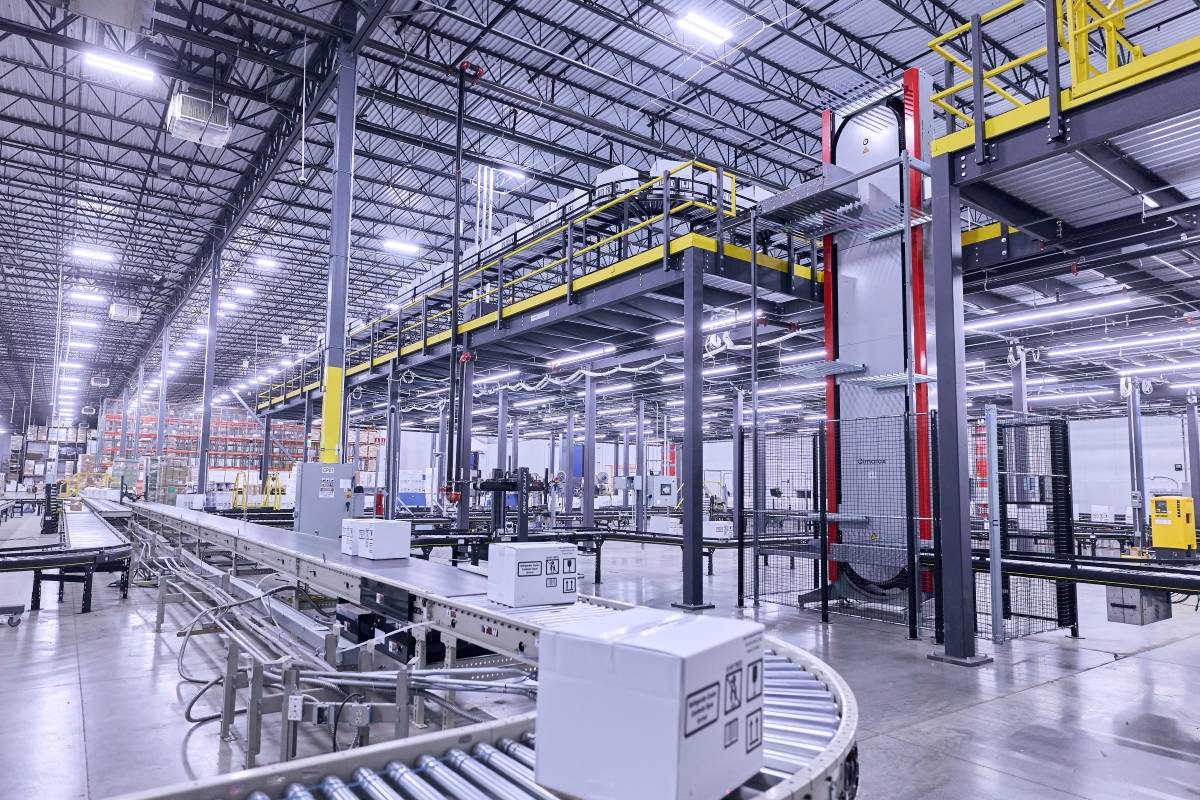
A centralized pharmacy services center with Central Fill capabilities streamlines dispensing and distribution activities across acute care facilities, community pharmacies within the health system, and directly to patients. This approach enhances workflow efficiency, improves patient access, and boosts scalability and flexibility. From a financial perspective, this model optimizes staffing and resource sharing while improving inventory management, resulting in cost savings to the larger organization. Operational enhancements at a centralized pharmacy services center with central fill enables the community pharmacy staff members to focus on the patient in front of them – to increase access to care at the pharmacy, to expand services including remote patient consultations and personalized medication adherence support for patients with mobility or rural location issues.
What does the future hold?
As patient counts increase and healthcare systems continue to reconceptualize operations to ensure supply chain resiliency, the community pharmacy practice will face more stressors but with the right strategy in place they can turn the stressors into opportunities that contribute to a positive bottom line and patient experience. The combination of digital tools, personalized visits, and centralized prescription services will provide pharmacy teams with better efficiency and position them better to adopt technology enhancements to workflow automation and robotics, telepharmacy expansion, integration of AI, predictive analytics tools and interdisciplinary collaboration to create new approaches to personalized medicine and patient-centered care.
Click here to learn more about our specialty enablement consulting.
Reference
1. Newman, Terri V, et al. Impact of community pharmacist-led interventions in chronic disease management on clinical, utilization, and economic outcomes: An umbrella review. Research in Social and Administrative Pharmacy. 2020 Sep;16(9):1155-1165. Accessed 14 July 2025. Available at: https://pubmed.ncbi.nlm.nih.gov/31959565/