Articolo
Distribution excellence: How the U.S. network delivers every day
In this article, we explore how distribution excellence powers a more reliable and resilient path from manufacturer to patient.
A manufacturer completes a final quality check before releasing a product to market. At the other end of the journey, a healthcare provider receives the order and verifies its contents before preparing it for a patient.
These moments may seem consecutive, but they’re not. Between them lies a complex system involving thousands of decisions, handoffs, and safeguards.
Although most of that work happens out of view, its impact is evident every day. A distribution system’s performance influences how efficiently manufacturers bring products to market and how predictably dispensers can operate. It’s also key to helping patients access therapy without unnecessary disruption.
It takes a highly coordinated operating model to deliver therapies from manufacturers to the point of care while meeting expectations for quality, security, regulation compliance, timing, and access. Those expectations are only increasing as therapies become more specialized, and customers demand greater visibility into how products move through the network.
These moments may seem consecutive, but they’re not. Between them lies a complex system involving thousands of decisions, handoffs, and safeguards.
Although most of that work happens out of view, its impact is evident every day. A distribution system’s performance influences how efficiently manufacturers bring products to market and how predictably dispensers can operate. It’s also key to helping patients access therapy without unnecessary disruption.
It takes a highly coordinated operating model to deliver therapies from manufacturers to the point of care while meeting expectations for quality, security, regulation compliance, timing, and access. Those expectations are only increasing as therapies become more specialized, and customers demand greater visibility into how products move through the network.
At Cencora, distribution excellence reflects how those capabilities come together in practice. By aligning people, processes, and technology, quality standards, and a culture of safety, we support reliable delivery, greater operational consistency, and a more dependable experience across the healthcare supply chain.
Why distribution excellence is essential
Distribution excellence is often defined by operational performance. Orders arrive accurately, shipments reach their destination on time, and products are handled appropriately throughout the journey meeting all regulatory thresholds. While these outcomes are important, they’re only part of the story. The real value comes from helping customers navigate an increasingly complex supply chain and creating the consistency they need to operate effectively.
That’s no small feat. Today, pharmaceutical distributors connect more than 1,400 manufacturers to 450,000-plus care sites across the United States. 1 Distributors handling specialty pharmaceuticals—drugs that require meticulous logistics to maintain efficacy— supported more than 32,800 healthcare provider locations in 2024, processing nearly 4,900 orders each day despite growing complexity and a 12% increase in sales over the previous year.2
Delivering at this scale requires exceptional operational discipline. At Cencora, that commitment is reflected in a 99.87% order-processing quality rate and 99.77% on-time shipping performance.3 These results mean providers receive the products they need, when and where they need them.
For manufacturer partners, distribution excellence supports more than product movement. It can simplify the path from launch to market while helping protect product integrity across a complex distribution footprint. It can also provide greater visibility into how supply is moving through the channel. Amid specialized handling requirements and shifting demand, operational consistency can make it easier to scale, respond, and plan ahead.
That’s no small feat. Today, pharmaceutical distributors connect more than 1,400 manufacturers to 450,000-plus care sites across the United States. 1 Distributors handling specialty pharmaceuticals—drugs that require meticulous logistics to maintain efficacy— supported more than 32,800 healthcare provider locations in 2024, processing nearly 4,900 orders each day despite growing complexity and a 12% increase in sales over the previous year.2
Delivering at this scale requires exceptional operational discipline. At Cencora, that commitment is reflected in a 99.87% order-processing quality rate and 99.77% on-time shipping performance.3 These results mean providers receive the products they need, when and where they need them.
For manufacturer partners, distribution excellence supports more than product movement. It can simplify the path from launch to market while helping protect product integrity across a complex distribution footprint. It can also provide greater visibility into how supply is moving through the channel. Amid specialized handling requirements and shifting demand, operational consistency can make it easier to scale, respond, and plan ahead.
See how specialty and wholesale distribution work at Cencora
For pharmacies, health systems, physician practices, and other dispensers, distribution excellence can bring greater predictability to daily operations. Reliable deliveries, secure handling, and continuity planning help reduce disruptions and make inventory management easier. As a result, teams spend less time addressing supply issues and more time focused on patient care. And when products move through the supply chain as expected, patients are more likely to receive therapy without unnecessary delays or interruptions.

Building blocks of distribution excellence
As you might have guessed, pharmaceutical distribution is more sophisticated than it appears from the outside. Physical fulfillment is essential, but it’s only one visible part of a much larger operation. Behind every shipment is an integrated system that manages inventory, oversees quality, and monitors product conditions. It also has to respond quickly when issues arise.
Distribution excellence is what enables that system to perform consistently for manufacturers and dispensers alike, even in a changing environment.
“When people think about pharmaceutical distribution, they often think in terms of ‘pick, pack, and ship,’” says Ken Hardy, Cencora’s Senior Vice President of U.S. supply chain operations. “What they don’t see is the level of coordination behind the scenes. On any given night, there can be dozens of events that have the potential to disrupt the flow of product. The real work is in how you respond to that complexity without interrupting service to customers.”
Distribution excellence is what enables that system to perform consistently for manufacturers and dispensers alike, even in a changing environment.
“When people think about pharmaceutical distribution, they often think in terms of ‘pick, pack, and ship,’” says Ken Hardy, Cencora’s Senior Vice President of U.S. supply chain operations. “What they don’t see is the level of coordination behind the scenes. On any given night, there can be dozens of events that have the potential to disrupt the flow of product. The real work is in how you respond to that complexity without interrupting service to customers.”
People
Behind every reliable delivery is a workforce that understands both the operational demands of the job and the customer impact of getting it right. Experienced teams help keep operations running smoothly by identifying potential issues early and responding quickly when something changes. That expertise is reinforced through training, clear performance expectations, and real-time visibility into operations. Together, these elements help create accountability while giving teams the information they need to keep improving.
Just as important is creating a workplace where people feel valued and connected to the mission. A positive culture helps attract and retain employees, preserving institutional knowledge that can take years to develop. Team member safety is foundational to distribution excellence. Safe workplaces help employees stay focused and enable more consistent execution. Ongoing training and site-level engagement reinforce safe practices throughout the organization. By protecting employees, organizations can boost workforce stability and deliver the reliable service customers depend on.
For manufacturers, knowledgeable teams help protect product integrity and support consistent execution across the distribution network. For dispensers, they help minimize disruptions that can affect daily workflows, from shipment delays to inventory-related exceptions.
What distinguishes leading organizations is their ability to link day-to-day execution with patient impact. When teams recognize that each shipment represents more than a package in transit, it changes how they approach the work. Every order reflects a manufacturer’s confidence in the network, a customer’s expectation of reliable service, and ultimately a patient’s need for timely access to therapy. Retaining that experience is critical because stable, well-trained teams are better equipped to work safely, handle complexity, and respond under pressure. Turnover can be one of the biggest costs for a distributor. By investing in people and fostering a culture where employees are treated well, organizations can retain critical expertise and reduce the disruptions that come with workforce turnover.
“It starts with our people,” Ken says. “When teams understand both the operational expectations and the purpose behind the work, they make better decisions, raise issues earlier, and help the network perform more consistently.”
Just as important is creating a workplace where people feel valued and connected to the mission. A positive culture helps attract and retain employees, preserving institutional knowledge that can take years to develop. Team member safety is foundational to distribution excellence. Safe workplaces help employees stay focused and enable more consistent execution. Ongoing training and site-level engagement reinforce safe practices throughout the organization. By protecting employees, organizations can boost workforce stability and deliver the reliable service customers depend on.
For manufacturers, knowledgeable teams help protect product integrity and support consistent execution across the distribution network. For dispensers, they help minimize disruptions that can affect daily workflows, from shipment delays to inventory-related exceptions.
What distinguishes leading organizations is their ability to link day-to-day execution with patient impact. When teams recognize that each shipment represents more than a package in transit, it changes how they approach the work. Every order reflects a manufacturer’s confidence in the network, a customer’s expectation of reliable service, and ultimately a patient’s need for timely access to therapy. Retaining that experience is critical because stable, well-trained teams are better equipped to work safely, handle complexity, and respond under pressure. Turnover can be one of the biggest costs for a distributor. By investing in people and fostering a culture where employees are treated well, organizations can retain critical expertise and reduce the disruptions that come with workforce turnover.
“It starts with our people,” Ken says. “When teams understand both the operational expectations and the purpose behind the work, they make better decisions, raise issues earlier, and help the network perform more consistently.”
Process
Process is where discipline shows up most plainly, and where customer experience becomes operationally repeatable. Across a national distribution network, thousands of orders and shipments are moving simultaneously. Maintaining consistency at that scale requires disciplined processes and real-time visibility into operations. Standardized workflows help create a consistent experience across the network, while quality checks and system controls help to keep performance from varying unnecessarily by site, product, or circumstance.
Accuracy and timing are treated as essential requirements. Controls verify each step before an order moves forward, helping prevent errors rather than simply catching them after the fact.
At the same time, the network has to stay flexible. Disruptions are a fact of life in supply chain operations, whether caused by weather, transportation issues, or something else. Teams need to be able to reposition inventory, reroute shipments, or reallocate resources to keep the flow of shipments moving. More importantly, this level of resilience protects continuity for dispensers and helps patients maintain uninterrupted access to therapy.
“One of the most important capabilities in this environment is the ability to adapt in real time,” Ken says. “If something disrupts one part of the network, we can shift inventory and continue serving customers from another location. That flexibility helps maintain continuity even when conditions change.”
Accuracy and timing are treated as essential requirements. Controls verify each step before an order moves forward, helping prevent errors rather than simply catching them after the fact.
At the same time, the network has to stay flexible. Disruptions are a fact of life in supply chain operations, whether caused by weather, transportation issues, or something else. Teams need to be able to reposition inventory, reroute shipments, or reallocate resources to keep the flow of shipments moving. More importantly, this level of resilience protects continuity for dispensers and helps patients maintain uninterrupted access to therapy.
“One of the most important capabilities in this environment is the ability to adapt in real time,” Ken says. “If something disrupts one part of the network, we can shift inventory and continue serving customers from another location. That flexibility helps maintain continuity even when conditions change.”
Technology
Technology enables scale by increasing throughput and reducing variability, especially in high-volume environments. Automation within distribution centers plays an important role. So does the thoughtful implementation of AI and advanced analytics that can support appropriate parts of the process. Together, these tools help teams process orders more efficiently while supporting consistent execution. But the value of technology extends beyond speed. Real-time data on inventory, order status, and delivery timelines give teams greater visibility across the network, helping them identify issues earlier and make more informed decisions when conditions change.
Cold chain management highlights how critical this capability has become. Temperature-sensitive products now represent a significant share of the pharmaceutical market, and maintaining product integrity requires continuous monitoring. Even minor deviations must be addressed immediately because product integrity directly affects whether therapies can continue moving toward the patients who need them.
Leading distributors are deliberate in how they apply technology. Used thoughtfully, it can help manufacturers gain clearer insight into how products are moving through the channel and help dispensers experience a more dependable service model. That said, not every process needs to be fully automated. In more complex or higher-risk scenarios, human judgment remains essential. Even in advanced environments, technology works best when paired with experienced teams that can evaluate exceptions and make informed decisions when circumstances require it.
Cold chain management highlights how critical this capability has become. Temperature-sensitive products now represent a significant share of the pharmaceutical market, and maintaining product integrity requires continuous monitoring. Even minor deviations must be addressed immediately because product integrity directly affects whether therapies can continue moving toward the patients who need them.
Leading distributors are deliberate in how they apply technology. Used thoughtfully, it can help manufacturers gain clearer insight into how products are moving through the channel and help dispensers experience a more dependable service model. That said, not every process needs to be fully automated. In more complex or higher-risk scenarios, human judgment remains essential. Even in advanced environments, technology works best when paired with experienced teams that can evaluate exceptions and make informed decisions when circumstances require it.
The scale behind every delivery
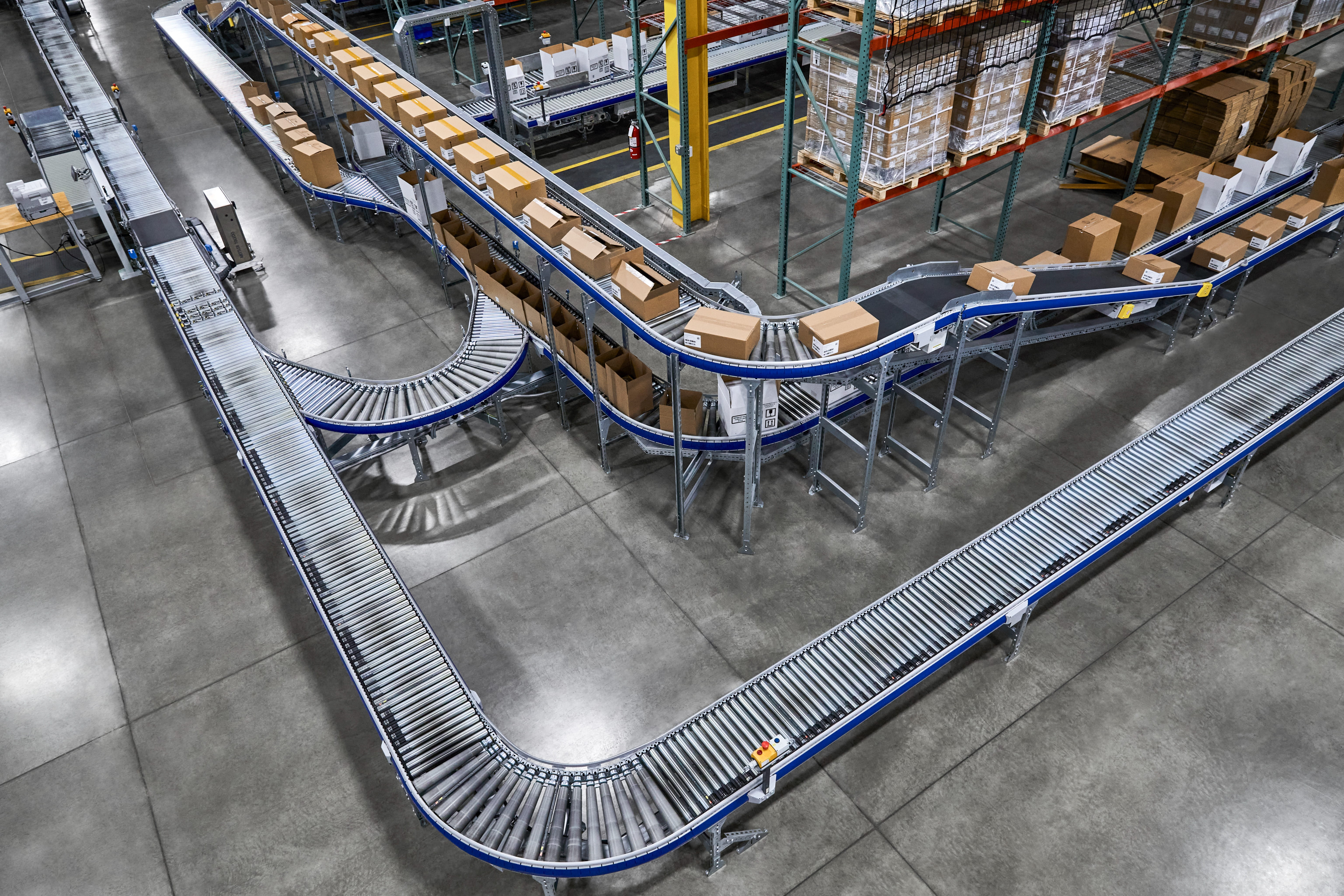
Cencora’s distribution network operates at a national scale, supporting a significant portion of the U.S. pharmaceutical supply chain. Each night, thousands of shipments move through a tightly coordinated system, with millions of units processed in a matter of hours. Orders placed in the evening are prepared overnight and delivered the next day, often within a narrow morning window. This compressed timeline highlights the level of coordination required to keep the system running smoothly.
“Suppose we have a weather event that delays a truck in getting from our national distribution center to one of our full-line distribution centers,” Ken says. “If we find ourselves running short on product in that full-line distribution center, we can pull the product from another location. Customers may never know there was a delay. But behind the scenes, we're monitoring those systems closely, in real time, to help the product get to where it needs to go.”
Setting the standard for what’s ahead
The demands on pharmaceutical distribution will continue to evolve. As CAR-T therapies, cell and gene therapies, and other forms of personalized medicine become more prevalent, distributors must support increasingly complex handling and tighter controls. At the same time, expectations for speed, reliability, visibility, and resilience will only continue to rise.
Customers on both ends of the channel are looking for more from the partners they rely on. Manufacturers need clearer insight into how products are moving through the network. Dispensers need precise, dependable service that supports daily operations and helps protect patient access.
Innovation is key to meeting those expectations. Artificial intelligence and advanced analytics are beginning to improve how organizations anticipate demand, identify risk, and respond to disruption. As new tools are adopted, organizations will need to balance the speed of innovation with structured governance to mitigate risks without impeding performance.
Ultimately, distribution excellence is defined not only by what moves through the network, but by what the network makes possible. It helps manufacturers bring products to market more effectively. It helps pharmacies, providers, and other dispensers operate with more predictability. Above all, it helps patients access therapy with fewer disruptions.
Distribution excellence is a strategic capability that strengthens the connections between manufacturers, customers, and care. It requires ongoing investment in infrastructure, technology, quality systems, safety, and the people who make the network work every day. By helping products move efficiently and reliably through the supply chain, it supports better outcomes across the healthcare ecosystem.
Customers on both ends of the channel are looking for more from the partners they rely on. Manufacturers need clearer insight into how products are moving through the network. Dispensers need precise, dependable service that supports daily operations and helps protect patient access.
Innovation is key to meeting those expectations. Artificial intelligence and advanced analytics are beginning to improve how organizations anticipate demand, identify risk, and respond to disruption. As new tools are adopted, organizations will need to balance the speed of innovation with structured governance to mitigate risks without impeding performance.
Ultimately, distribution excellence is defined not only by what moves through the network, but by what the network makes possible. It helps manufacturers bring products to market more effectively. It helps pharmacies, providers, and other dispensers operate with more predictability. Above all, it helps patients access therapy with fewer disruptions.
Distribution excellence is a strategic capability that strengthens the connections between manufacturers, customers, and care. It requires ongoing investment in infrastructure, technology, quality systems, safety, and the people who make the network work every day. By helping products move efficiently and reliably through the supply chain, it supports better outcomes across the healthcare ecosystem.
Sources
1 Healthcare Distribution Alliance, “How Distributors Drive Local Economic Growth and Power the Supply Chain,” Jan. 21, 2026.
2 Healthcare Distribution Alliance, “Specialty Distributors Meeting the Challenges of a Growing Market,” Dec. 3, 2025.
3 Based on internal data.
1 Healthcare Distribution Alliance, “How Distributors Drive Local Economic Growth and Power the Supply Chain,” Jan. 21, 2026.
2 Healthcare Distribution Alliance, “Specialty Distributors Meeting the Challenges of a Growing Market,” Dec. 3, 2025.
3 Based on internal data.