
Quality and regulatory

NDC12 transition

The FDA is moving the National Drug Code from 10 digits to a standardized 12-digit format. Enforcement is years away, but the change touches ordering, dispensing, billing, and claims. Cencora can help you understand NDC12 and prepare early, without disrupting patient care.
K dispozici pro
  • Výrobci léčiv
  • Lékárna
  • Lékařská praxe
  • Zdravotní systém
  • Vláda
Dostupné v
  • USA

What is NDC12?

The National Drug Code (NDC) is the FDA’s standard identifier for drugs marketed in the United States. It is used across labeling, ordering, dispensing, reimbursement, and supply chain transactions. The FDA final rule will transition the current variable-length 10-digit NDC format to a standardized 12-digit format, known as NDC12. The change applies to prescription and over-the-counter products and is intended to support future industry growth, improve consistency across systems, and expand available code capacity as existing labeler codes approach exhaustion.
NDC12 is expected to affect many of the places where product identifiers are used, including ordering, inventory, dispensing, reimbursement, reporting, master data, EDI, EPCIS, ERP, WMS, MDM, PIM, pharmacy systems, claims platforms, label systems, and data warehouses. While enforcement is years away, early awareness can help your organization identify impacted systems, align internal teams, and coordinate testing with trading partners.

NDC12 at a glance

Standardized format

All NDCs move to a consistent 12-digit structure using a 6-4-2 format: a 6-digit labeler code, a 4-digit product code, and a 2-digit package code.

Dual-format transition

During the transition period, organizations will need to support both current 10-digit formats and the new 12-digit format.

System readiness

The transition may require updates across master data, ordering, inventory, dispensing, reimbursement, claims, reporting, ERP, MDM, PIM, EDI, EPCIS, and data warehouse processes.

Partner coordination

Manufacturers, distributors, providers, dispensers, vendors, and trading partners will need to coordinate mapping, testing, timing, and communication.


Key dates for the NDC12 transition

  • March 5, 2026: The FDA final rule is published.
  • March 7, 2033: Effective date. New products introduced after this date use NDC12 only.
  • March 7, 2033 to March 6, 2036: Transition period. Organizations transact in both 10-digit and 12-digit formats for existing drugs.
  • After March 7, 2036: Full enforcement. NDC12 becomes the single standard.

The new 6-4-2 format

Every NDC12 follows one structure with 12 digits in total: a 6-digit labeler code that identifies the manufacturer or distributor, a 4-digit product code that captures strength, dosage form, and formulation, and a 2-digit package code for package size and type. Existing 10-digit NDCs convert to 12 digits by adding two zeros, placed according to the current format. Beyond the added zeros, your product identifiers do not change.

Current 10-digit format Example NDC12 (6-4-2) example
4-4-2 1234-5678-90 001234-5678-90
5-3-2 12345-678-90 012345-0678-90
5-4-1 12345-6789-0 012345-6789-00

Why the FDA is making this change

Capacity
The FDA is nearing exhaustion of current 5-digit labeler codes and needs a scalable format to support future growth.
Standardization
A single format creates a more consistent NDC structure across products, systems, and transactions. 
Industry alignment
A uniform identifier supports alignment across the regulatory, supply chain, reimbursement, and trading partner ecosystems.
Risk mitigation
Early planning can help reduce the risk of data inconsistencies, transaction errors, duplicate items, claim rejects, order issues, and operational disruption.

What NDC12 might mean for you

Manufacturers

Prepare for potential updates across labeling and packaging, artwork and barcode representation, master data and systems (MDM, ERP, product information systems), EDI transactions and version updates, regulatory submissions and product listings, catalog data, partner coordination, and billing, claims, and charge master processes.

Distributors, pharmacies, and providers

Assess where NDCs appear across master data, EDI, EPCIS, ordering, inventory, dispensing, billing, claims, charge master, analytics, reporting, and scanning workflows, including updated barcodes and 2D barcodes on OTC products. You may need to support both 10-digit and 12-digit formats during the transition period.

Why start preparing now

Enforcement is years away, but the transition affects many connected workflows. During the three-year transition period you will transact with both old and new NDC formats for existing drugs. Waiting increases the risk of data mismatches, duplicate items, claim rejects, and order errors. Starting early lets you fold NDC12 into upgrades you already plan for ordering systems, pharmacy and claims platforms, label systems, and data warehouses. Early alignment also supports testing with your business partners one to two years ahead of the effective date, which means smoother interoperability and less disruption.

Where to begin

Begin with the end in mind. A simple readiness sequence:

1. Assess: Perform an internal assessment to identify the systems, data fields, workflows, and processes that use NDCs.

2. Align: Align internal teams on a high-level readiness road map leading to the 2033 effective date and the 2036 full-enforcement milestone.

3. Plan: Build plans for system updates, internal and external communication, testing, and trading partner coordination.


4. Resource: Assign resources to coordinate readiness activities across business, technology, regulatory, and customer-facing teams.

5. Budget: Evaluate budget and resource needs for impacted systems and processes.

6. Stay engaged: Monitor guidance from the Food and Drug Administration (FDA), industry work groups, standards organizations, and trading partners.

How Cencora supports your NDC12 readiness
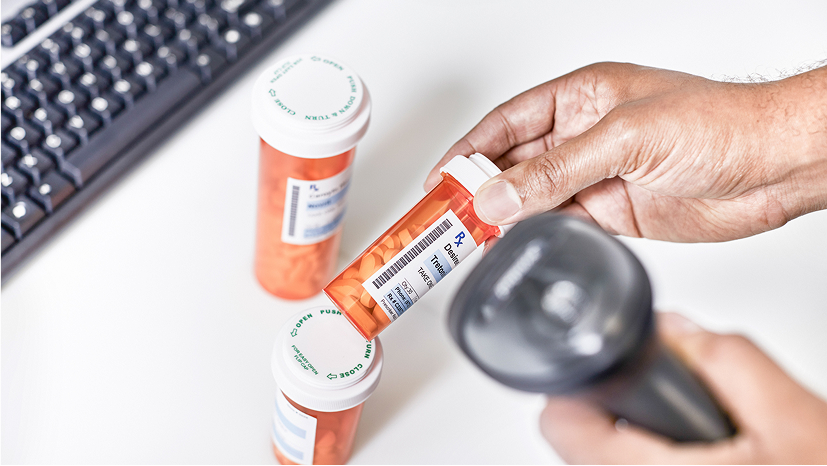
NDC12 is one of the most significant foundational data changes in the pharmaceutical supply chain in recent years. Cencora provides resources, communications, and operational support to help you navigate it. Start by identifying where NDCs are used across your organization, then coordinate with internal teams, vendors, and trading partners as planning and testing timelines develop. Cencora will continue monitoring industry guidance and sharing relevant information to support your awareness and readiness.

DSCSA and serialization

NDC12 arrives on top of the serialized supply chain that DSCSA built. If your team manages DSCSA data today, the same systems and partners are the starting point for NDC12 planning.

Helpful resources about the NDC transition

National Drug Code Directory

Search the Food and Drug Administration’s National Drug Code database.

National Drug Code format 

Review FDA guidance on the new NDC12 rule.

Federal Register final rule

Learn about updates to National Drug Code format and drug label barcode requirements.

Newsroom

Novinky společnosti března 4, 2026

Matt Sample Discusses Upcoming DSCSA Developments with Drug Topics

Zmínka v médiích dubna 24, 2026

Odborníci na farmaceutický dodavatelský řetězec diskutují o přechodu na nový 12místný formát NDC FDA s tématy léčiv a farmaceutickým obchodem
 

Connect with our supply chain team

Our team of supply chain experts is here to assist you with NDC12 readiness for your pharmacy, practice, or health system. Whether you have questions or need more detailed information, don’t hesitate to get in touch. We’re dedicated to providing the support you need.

Or, if you need general support or additional contact information, visit our Contact us page.